The global transition towards sustainable and climate-resilient growth is reshaping the foundations of economic development, energy systems, and natural resource governance.
As countries seek to achieve their objectives under the , there is an increasing need to align climate ambition with practical pathways that deliver economic diversification, environmental resilience, and inclusive energy security. Central to these efforts is the sustainable development of energy resources, particularly critical minerals, that underpin the technologies, infrastructure, and industries required for a green economy.
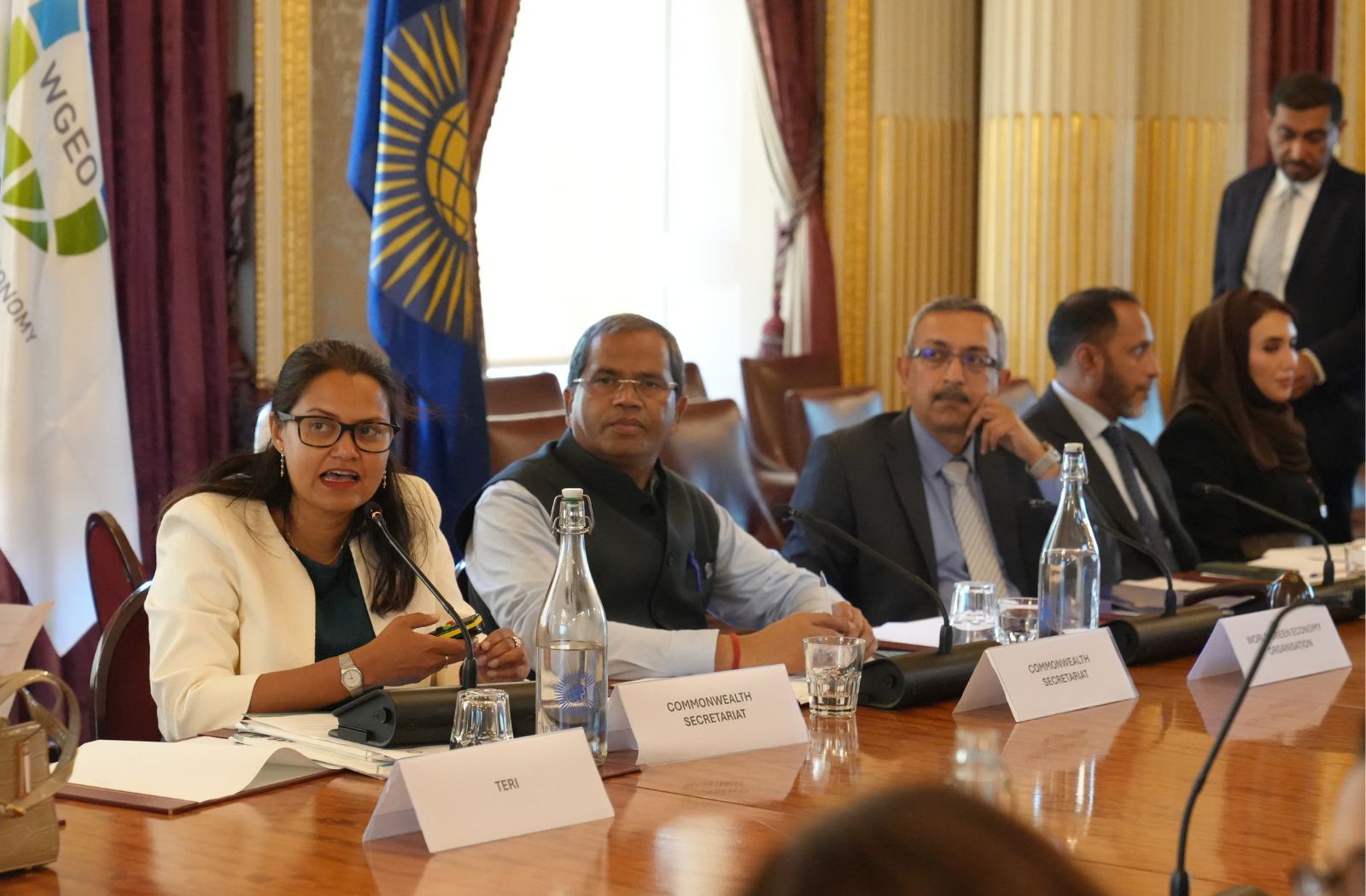
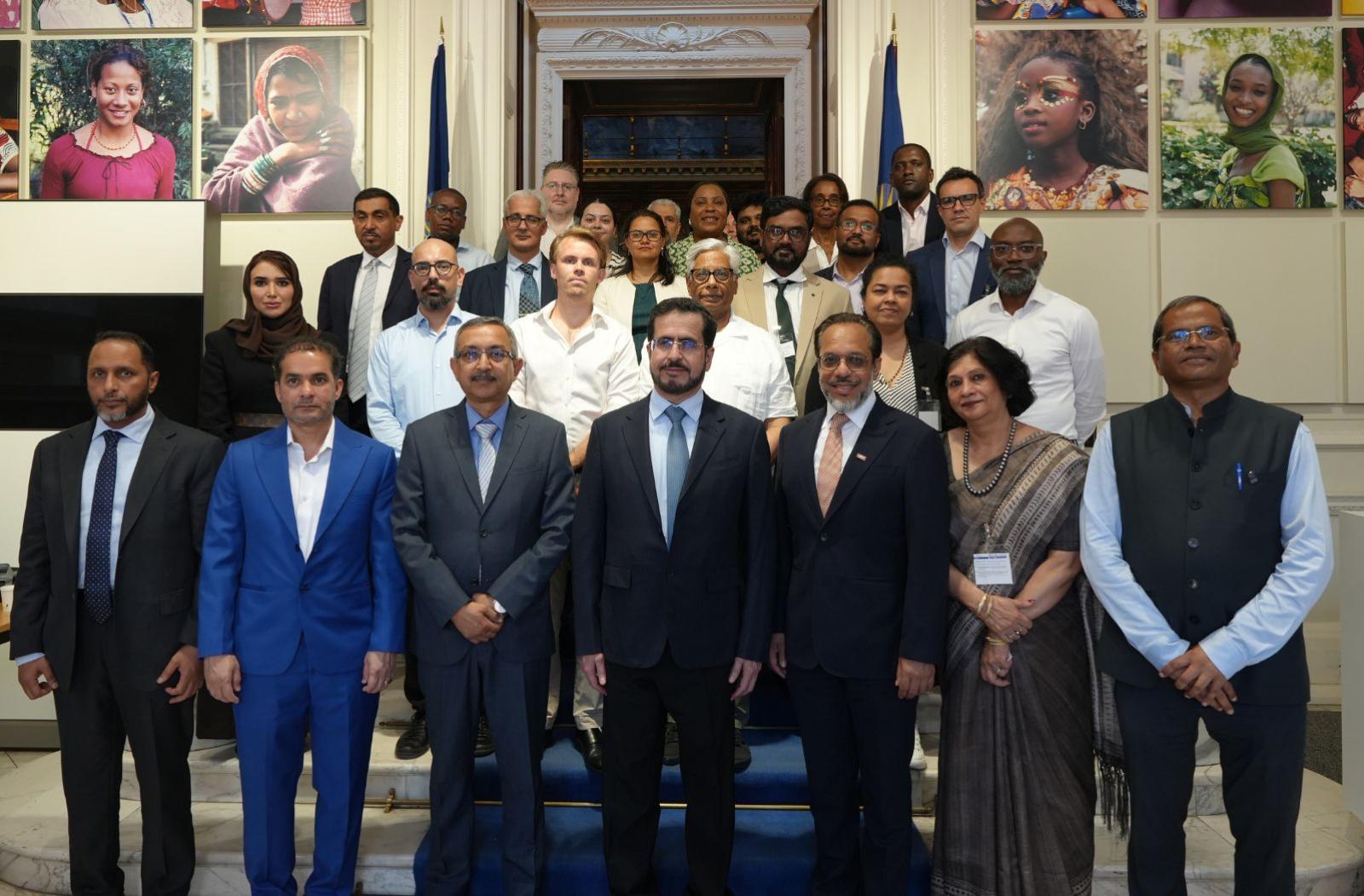
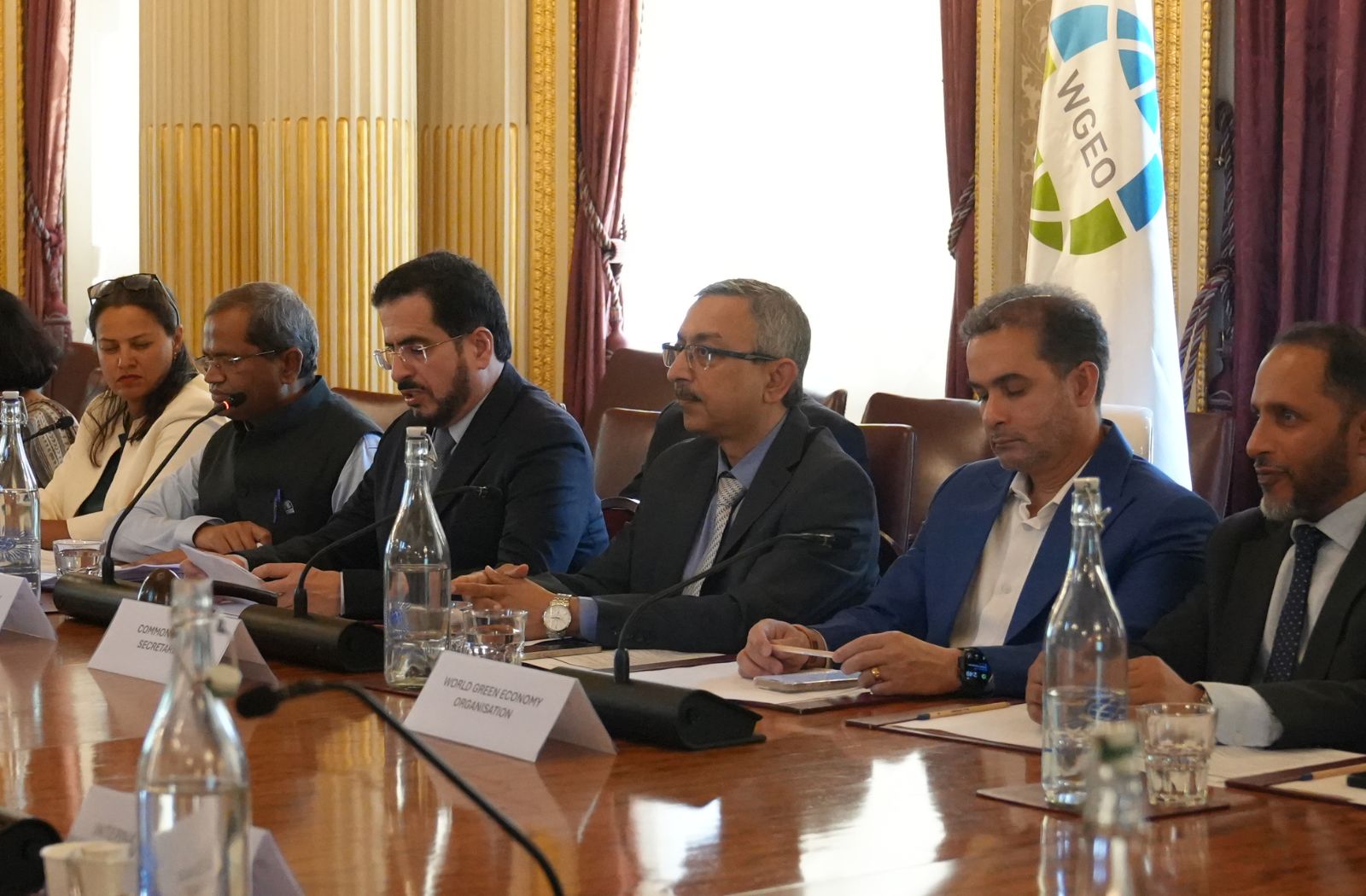
As the last in a series of dialogues hosted at Marlborough House, the °®Âþµº, and experts met to discuss how countries can harness their critical minerals wealth to not only support the global energy transition but also to create environmentally resilient economies, strengthen communities, and foster inclusive growth.
Critical minerals are the bedrock of the clean energy economy
During his keynote address, His Excellency Saeed Mohammed Al Tayer, Chairman of the World Green Economy Organization (WGEO), stressed that critical minerals are the bedrock of the clean energy economy, underpinning solar panels, wind turbines, EV batteries, and grid infrastructure for reliable and sustainable development. He congratulated the Secretariat for its work in this space spanning more than 60 years.
Commonwealth Deputy Secretary-General Programmes, Amb Tanmaya Lal, explained that even though critical minerals are found in relative abundance, their processing and supply chains are currently highly concentrated geographically. Given the heightened global geopolitical tensions, instances of deliberate supply chain disruptions have exposed strategic vulnerabilities. He said:
“The Commonwealth has a unique position in the critical minerals landscape. Nearly half of the 56 Commonwealth members are resource-rich countries. Its membership also includes large producing countries, major processing and refining jurisdictions, manufacturing economies, and significant consumer markets. Three of the ten largest importers of critical minerals are Commonwealth members.
“Commonwealth leadership on critical minerals has also been reinforced through the stewardship of many of its members in global forums such as Mineral Security Partnership and Quad Critical Minerals Initiative. At Canada’s G7 Presidency last year, the group adopted the G7 Critical Minerals Action Plan and South Africa’s G20 Presidency last year led to the adoption of G20 Critical Minerals Framework.�
Dr Arunabha Ghosh, CEO, Council on Energy Environment and Water (CEEW), said that critical minerals are no longer mere chemistry on a periodic table, but is also the physics of geopolitics, and he advocate for the democratisation of data – open geoscience data platforms – to lower entry levels to the industrial opportunities offered by critical minerals.
Dr Ekpen Omonbude, Senior Policy Advisor, Inter-Governmental Forum on Mining, Minerals, Metals and Sustainable Development (IGF), also raised the importance of domestic conditions for “getting the deal right,� such as a regulatory framework, flexible licensing regime and pretax viability of doing business in critical minerals.
Image
Critical minerals for energy transition
At the 2024 Commonwealth Heads of Government meeting (CHOGM) in Samoa, leaders recognised the importance of critical minerals for the energy transition, and renewed commitment to support members in the sustainable and equitable development of natural resources. The Commonwealth Critical Minerals Alliance (CCMA) followed and is a member-led platform for knowledge sharing and collaborations and includes 17 mineral-rich commonwealth countries.
Support for the sustainable development of natural resources
The °®Âþµº has provided technical support to countries on the sustainable development of natural resources including minerals. Over 20 countries have received support for mining sector policies, taxation systems, sector reforms, legal drafting - including legislation, regulations and contracts - and negotiations. These enabling frameworks and contracts paved the way for trillions of dollars of investments and the development of mining projects whilst simultaneously protecting the environment and communities.
Image